
Calligraphy Experience in Japan
Discover Japanese culture through the graceful art of calligraphy.
Overview
Calligraphy, known as shodō, is one of Japan’s most celebrated traditional arts—where writing becomes a form of expression, meditation, and beauty.
Using brush and ink, each stroke reflects the writer’s state of mind, making this art more than just characters on paper.
In quiet studios across Japan, from temples to cultural classrooms, visitors can slow down and learn the basics of brush handling, ink preparation, and the graceful flow of lines.
Historically practiced by monks, samurai, and scholars, calligraphy has long been a way to cultivate discipline, patience, and inner calm. Today, it offers travelers a meaningful opportunity to experience Japanese aesthetics firsthand. The scent of ink, the texture of washi paper, and the rhythm of the brush create a peaceful moment beyond words.
Through this experience, you can step into Japan’s artistic heritage, write your own chosen kanji, and bring home a work that carries your thoughts and heart within it.
The Philosophy of Calligraphy
- Calligraphy is more than writing — it expresses emotion and presence
- Each stroke reflects your breathing, balance, and state of mind
- Ink, paper, and silence create calm focus and mindfulnes
Calligraphy teaches that beauty lies in the harmony of movement and stillness.
The brush mirrors your mood — bold, delicate, slow, or swift.
Through each stroke, you connect with yourself in the present moment,
finding clarity and quiet joy in the simple act of writing.
What You will Experience
①Learn Brush Techniques
You’ll learn how to hold and move the brush,
practice basic strokes, balance ink and pressure,
and enjoy the calming rhythm of writing.
②Write Your Own Kanji
Choose a meaningful character—like “peace” or “dream.”
Experience how shapes carry history, spirit, and personality.
③Mindful Ink & Breath
Ink preparation is slow and meditative—
you grind ink, inhale the scent of pine soot,
and find focus in each quiet moment.
④Create Your Calligraphy Artwork
Finish your own piece on traditional washi paper.
A personal artwork you can take home as a memory.
⑤Cultural History & Aesthetics
Learn about the origins of shodō, tools used, etiquette,
and how Zen philosophy influenced this art form.
⑥Peaceful Creative Time
Relax in a serene space, enjoy the sound of the brush,
and feel your thoughts settle as ink flows on paper.
Explore the Craft Behind Shodō
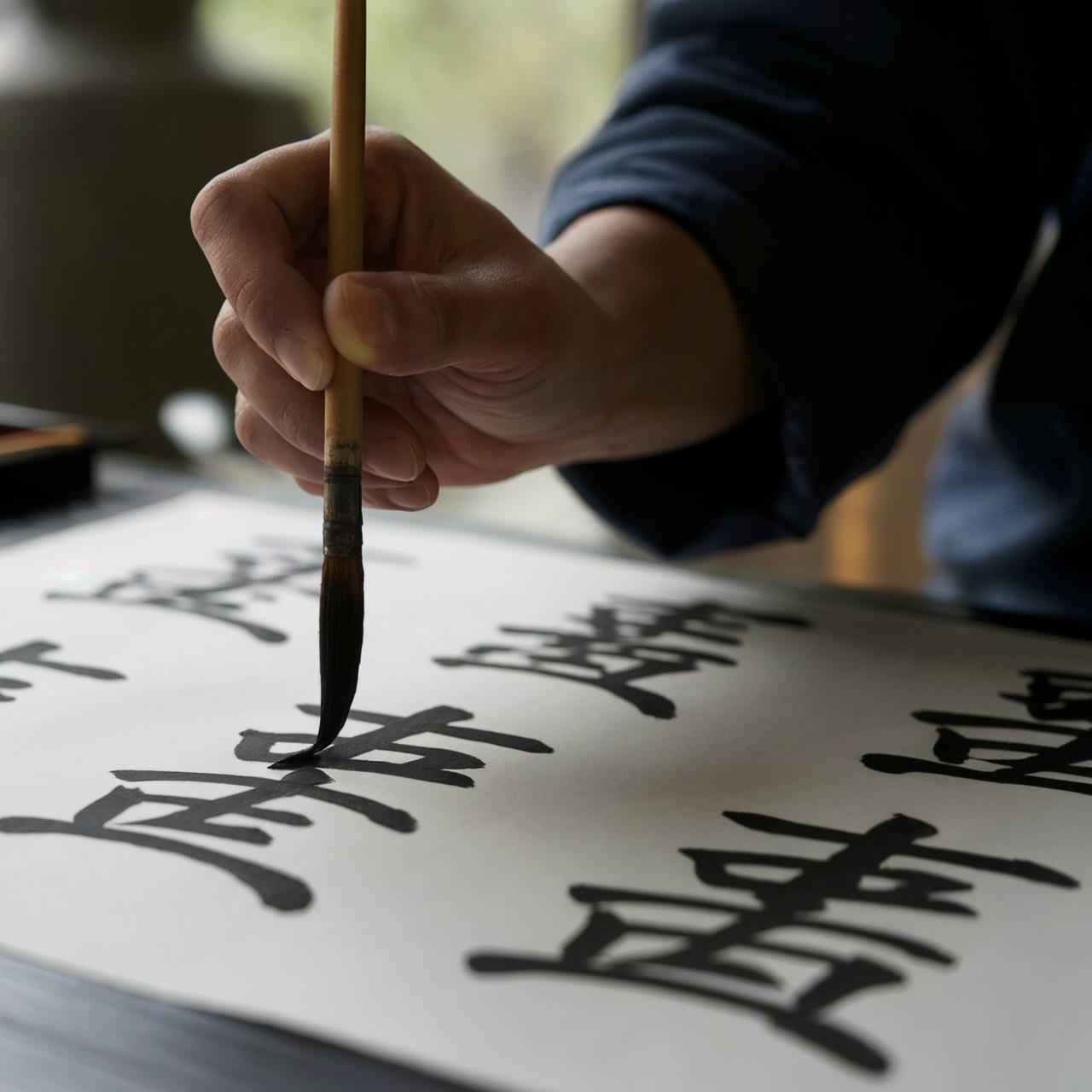
Brush – Fude
Soft and flexible, the brush is the heart of shodō.
The pressure, angle, and speed of each movement change the line,
allowing the artist to express emotions through strokes.

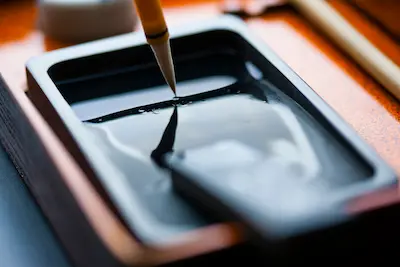
Ink – Sumi
Made by grinding ink on an inkstone with water.
The scent of sumi and the gradual darkening of the ink
create a calming, meditative moment before writing begins.
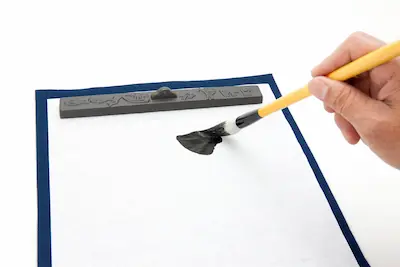
Paper – Washi
Traditional handmade paper with natural texture.
Absorbs ink gently, making strokes soft and alive.
Each sheet has its own character—no two are the same.
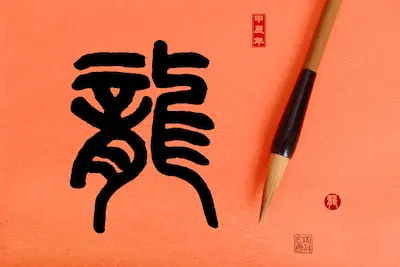
Characters – Kanji
Kanji holds meaning beyond language.
Writing a single character invites reflection
on beauty, balance, and intention behind form.
The Hiking adventure experience we offer

Duration :1–2 hours
Price : 5,000JPY〜15,000JPY / Per person
◆Private guide available
◆English guide available
◆Beginners welcome — no experience needed
◆Create your own calligraphy artwork to take home
➤ Check out the tour details and book now
A Mindful & Creative Cultural Experience for Travelers
With this calligraphy session, you will
- Learn how to hold the brush and create basic strokes
- Practice writing kanji guided by an instructor
- Use traditional tools — brush, ink, and washi paper
- Feel the calming rhythm of brush movements
- Complete your own piece to take home as a memory
It is a peaceful way to experience Japanese art,
slow down, and enjoy the elegance of shodō.
Sample Schedule
10:00 Studio welcome / history of
shodō introduction
10:15 Demonstration & stroke practice
10:35 Choose a kanji that reflects your intention
10:50 Create final artwork on washi paper
11:10 Tea break & small discussion about meaning
11:30 End of session